

 Board Views
From Corporate Governance of Sustainability to Sustainable Corporate Governance
What is the best way to integrate sustainability into the corporate governance framework? Boards of directors have chosen two distinct paths: the functional way, which focuses on corporate governance of sustainability, and the foundational approach, which leads to sustainable corporate governance. This article assesses the merits and limitations of both approaches and calls for a transition to sustainable governance. This requires board members to engage regularly with stakeholders and to continuously debate the underlying assumptions to further develop the governance framework as required.
 Board Views
The Multipurpose Corporation as a Driver for Sustainable Value Creation
The nature of the debate on the role of business in society strongly suggests a cyclical nature, with constant attempts to balance different interests and perspectives. To overcome the illusion of solving this conundrum, this article proposes an alternative approach, multipurpose capitalism. It posits that companies should compete not only on their products and services, but also on their different purpose profiles. It is left to consumers, workers, and investors to decide where to shop, work, and invest. The article offers a framework and methodology to create a comprehensive ecosystem that enables this matching process and suggests ways to overcome the challenges along the way.
 Board Views
Striving for Excellence in Venture Governance
The contribution of the venture board to entrepreneurial value creation, and its pivotal role in venture ecosystems, is often overlooked despite a long history of venture governance. History teaches us six principles of excellence in venture governance.
 Board Views
The Promise and Perils of Agile Governance
Agility as a leadership principle has gained enormous importance in recent years. Many companies proclaim agility as a new leadership culture that is better aligned to future opportunities and challenges. At the same time, companies must adhere to corporate governance principles, some of which conflict with agility principles. This article presents considerations for improving the compatibility of agile leadership principles with the principles of effective corporate governance.
 Board Views
From Corporate to Ecosystem Governance
Mastering ecosystems is increasingly seen as key to strategic value creation in highly dynamic environments. The role of governance has become a key differentiator between organizations that win or lose from the ecosystem game. This article discusses the importance of governance to the successful creation, development, and growth of ecosystems and presents eight challenges to be addressed along the ecosystem lifecycle. It continues with a taxonomy of ecosystem governance that provides a menu of effective governance mechanisms to address these challenges. The article concludes with advice on how best to manage the transition from a corporate governance to an ecosystem governance focus.





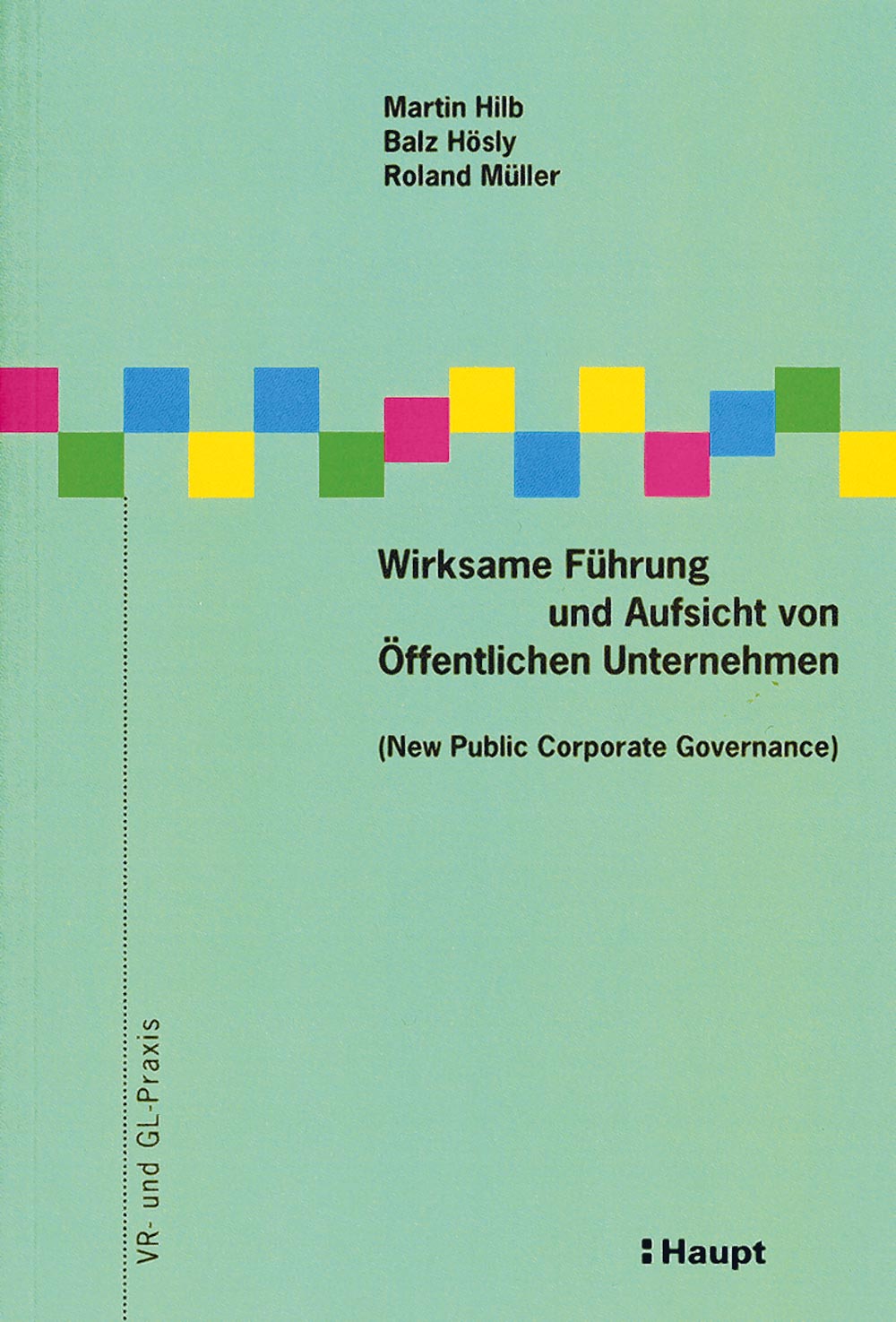
VR-Zertifikats-Programm 25.1
Befähigt Sie als Verwaltungsrätin und Verwaltungsrat einen effektiven Beitrag zur wirksamen Führung und Aufsicht von Unternehmen und Organisationen zu leisten.
-
24.1.2025 - 6.12.2025open
Dauer 16 Tage Sprache Deutsch Standort(e) Ermatingen, Luzern, St.Gallen und Weggis Kosten CHF 19’500 -


Experts

Prof. Dr. Gilbert Probst
Vice President, Swiss Institute of Directors
Prof. Dr. Gilbert Probst
Vice President, Swiss Institute of Directors

Prof. Dr. Marie-Noëlle Zen-Ruffinen
Member, SIoD Board of Governors
Prof. Dr. Marie-Noëlle Zen-Ruffinen
Member, SIoD Board of Governors
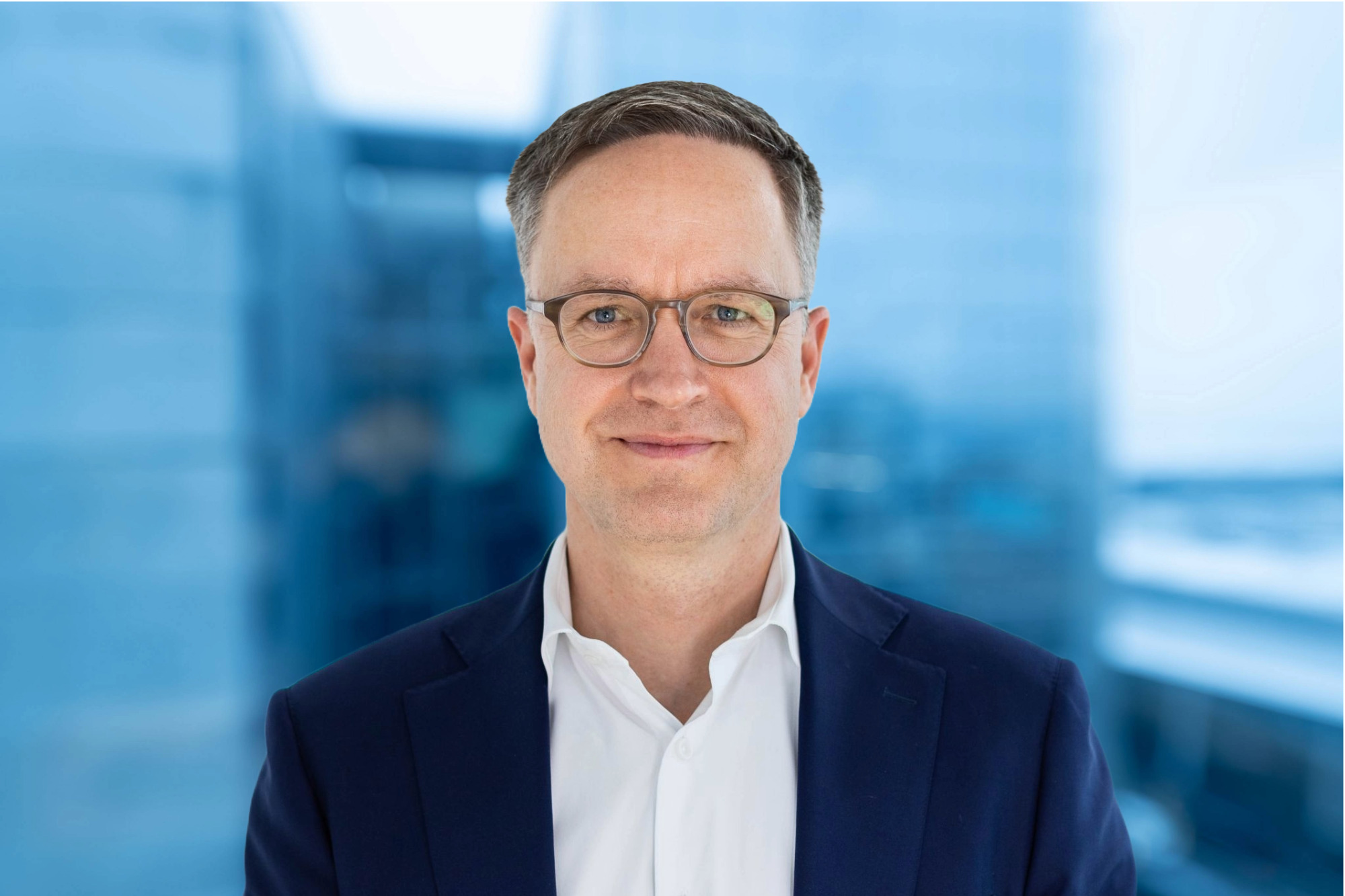
Dr. Mark Macus
Member, BF Board of Trustees
Dr. Mark Macus
Member, BF Board of Trustees

Prof. Dr. Martin Hilb
Managing Partner, International Center for Corporate Governance
Prof. Dr. Martin Hilb
Managing Partner, International Center for Corporate Governance

Dr. Jérôme Monnier
Academic Director, Swiss Board School, Romandy
Dr. Jérôme Monnier
Academic Director, Swiss Board School, Romandy

Prof. Dr. Roland Müller
Vice Chair, Board Foundation
Prof. Dr. Roland Müller
Vice Chair, Board Foundation

Prof. Dr. Michael Hilb
Chair, Board Foundation
Prof. Dr. Michael Hilb
Chair, Board Foundation


